Tail Lift Servicing for Commercial Vehicles
Regular tail lift servicing is essential for maintaining safe and reliable lifting equipment on commercial vehicles. Tail lifts are used daily in demanding environments, which means components such as hydraulic systems, electrical controls and structural parts are subject to wear over time.
At DMS Tail Lifts and Plant Ltd, we provide professional tail lift servicing for a wide range of commercial vehicles. Our experienced tail lift engineers carry out routine inspections and maintenance designed to keep lifting equipment operating safely and efficiently.
Why Regular Tail Lift Servicing is Important
Tail lifts are critical pieces of equipment for delivery vehicles, transport operators and logistics companies. When these systems fail, it can cause delays, safety risks and costly disruption to business operations.
Routine tail lift servicing allows engineers to identify worn components, hydraulic issues and electrical faults before they lead to major failures.
Benefits of regular servicing include:
Improved reliability of lifting equipment
Reduced risk of breakdowns
Safer operation for drivers and operators
Longer lifespan of components
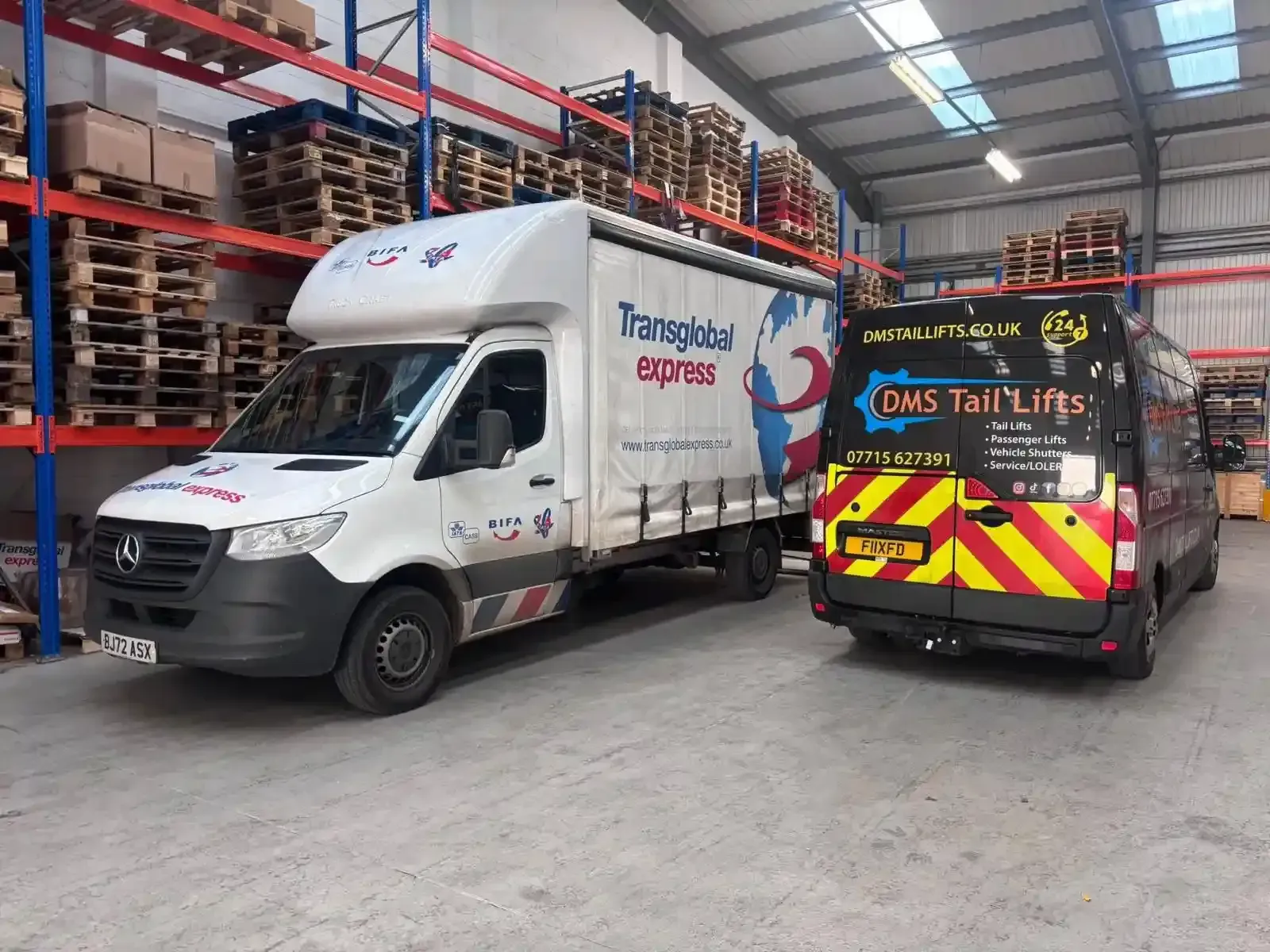
By carrying out preventative maintenance, businesses can reduce downtime and keep vehicles operating efficiently.
What is Included in a Tail Lift Service?
A professional tail lift service involves inspecting and maintaining key components that allow the lifting system to operate safely.
During a service visit, our engineers typically carry out:
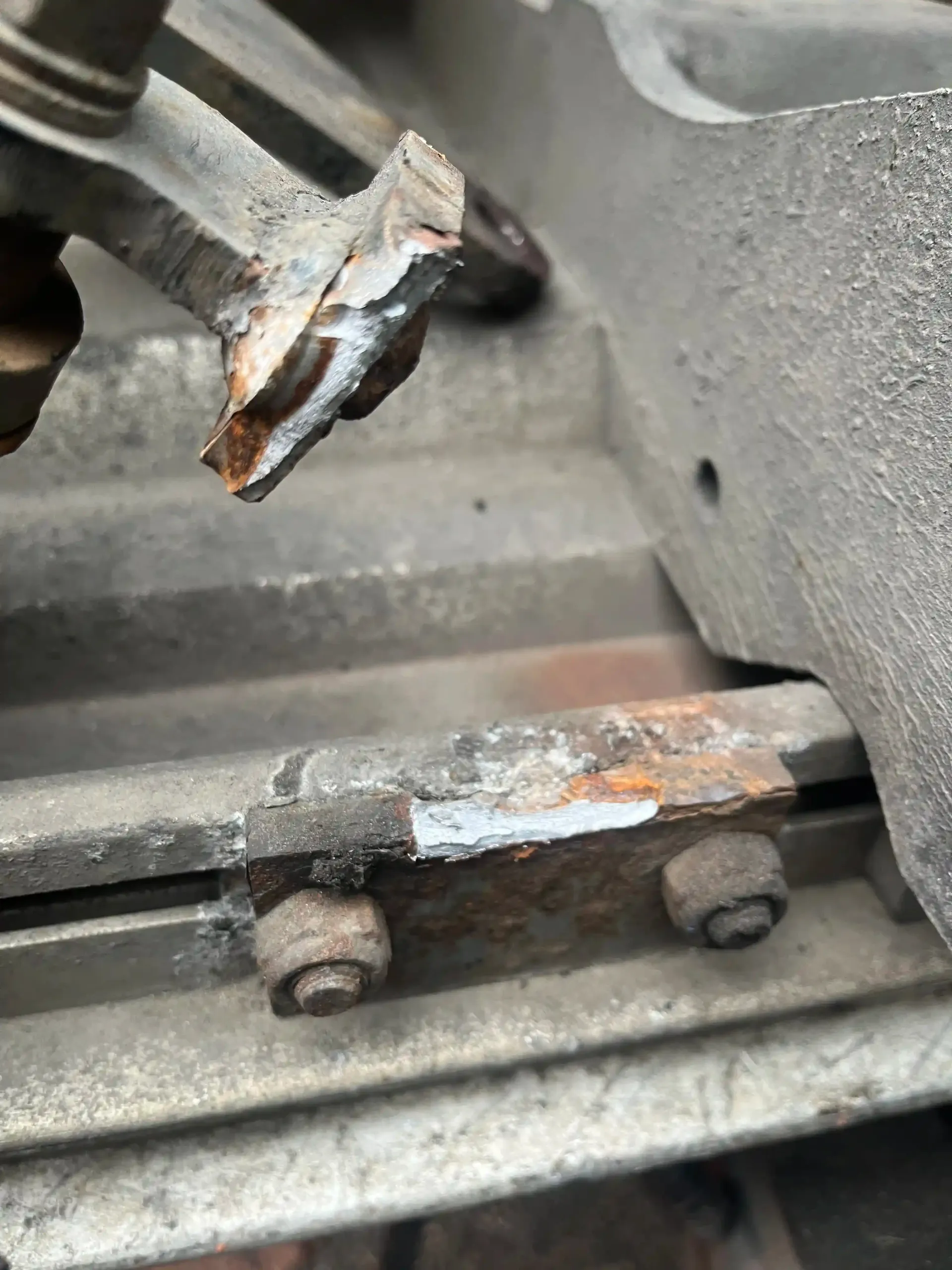
Hydraulic system inspection
Hydraulic pumps, hoses and cylinders are checked for leaks, pressure issues and signs of wear.
Electrical system checks
Hydraulic pumps, hoses and cylinders are checked for leaks, pressure issues and signs of wear.
Structural inspection
The lift platform, hinges and mounting points are inspected to identify damage or wear.
Lubrication of moving parts
Key mechanical components are lubricated to ensure smooth operation and reduce wear.
Operational testing
The tail lift is tested under normal operating conditions to ensure it raises, lowers and locks correctly.
This thorough inspection helps ensure lifting equipment continues to operate safely and efficiently.
Tail Lift Servicing
for Fleet Vehicles
Fleet operators rely on tail lifts every day to carry out loading and unloading tasks. When multiple vehicles depend on lifting equipment, even a single failure can disrupt operations.
DMS Tail Lifts works with fleet operators to provide routine servicing that helps keep vehicles operating safely and reliably.
Our fleet servicing support includes:
- Scheduled maintenance inspections
- Identification of worn components
- Preventative repairs
- Advice on maintaining lifting equipment
By servicing tail lifts regularly, fleet operators can reduce the risk of unexpected breakdowns and maintain efficient logistics operations.
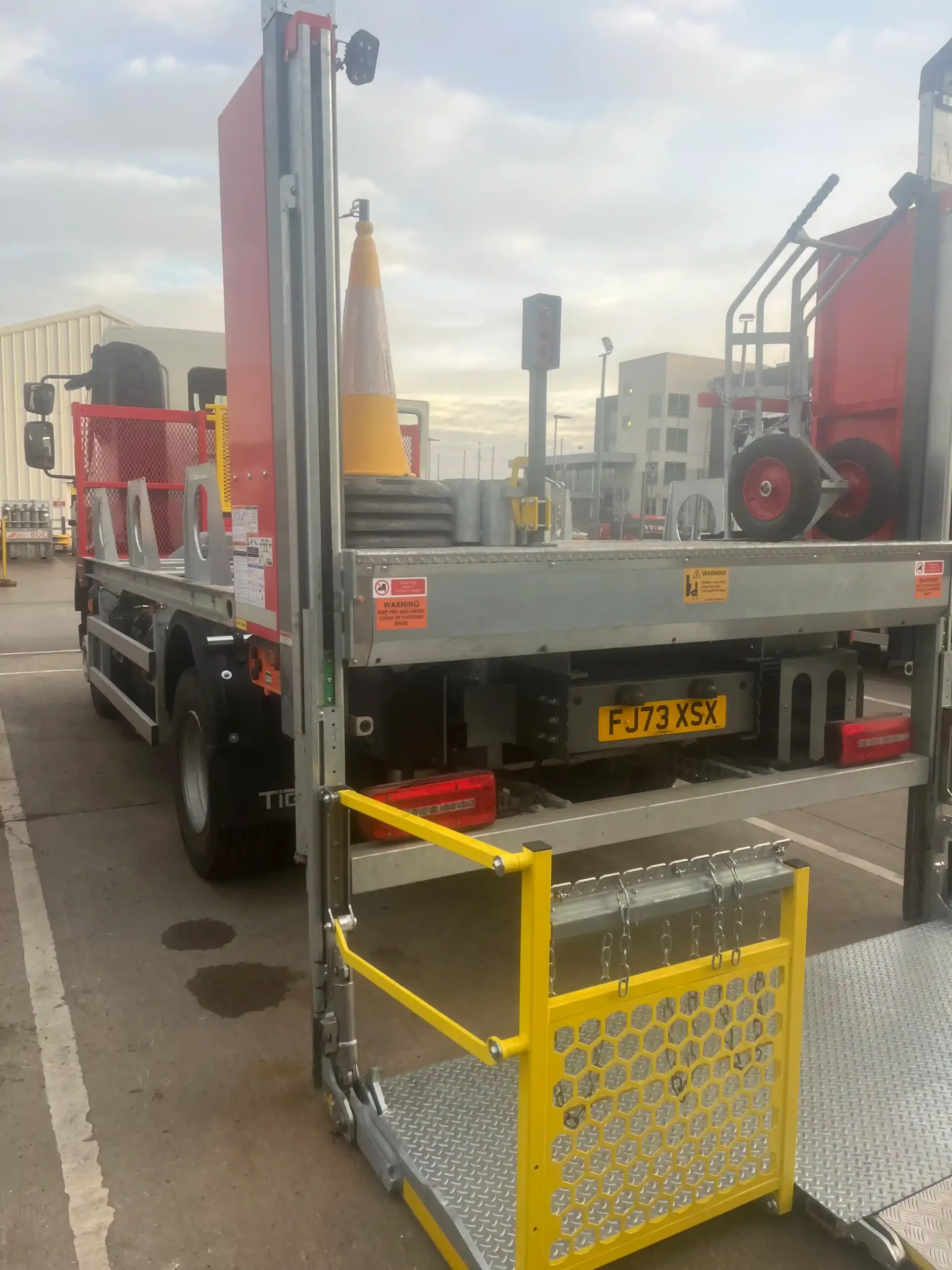
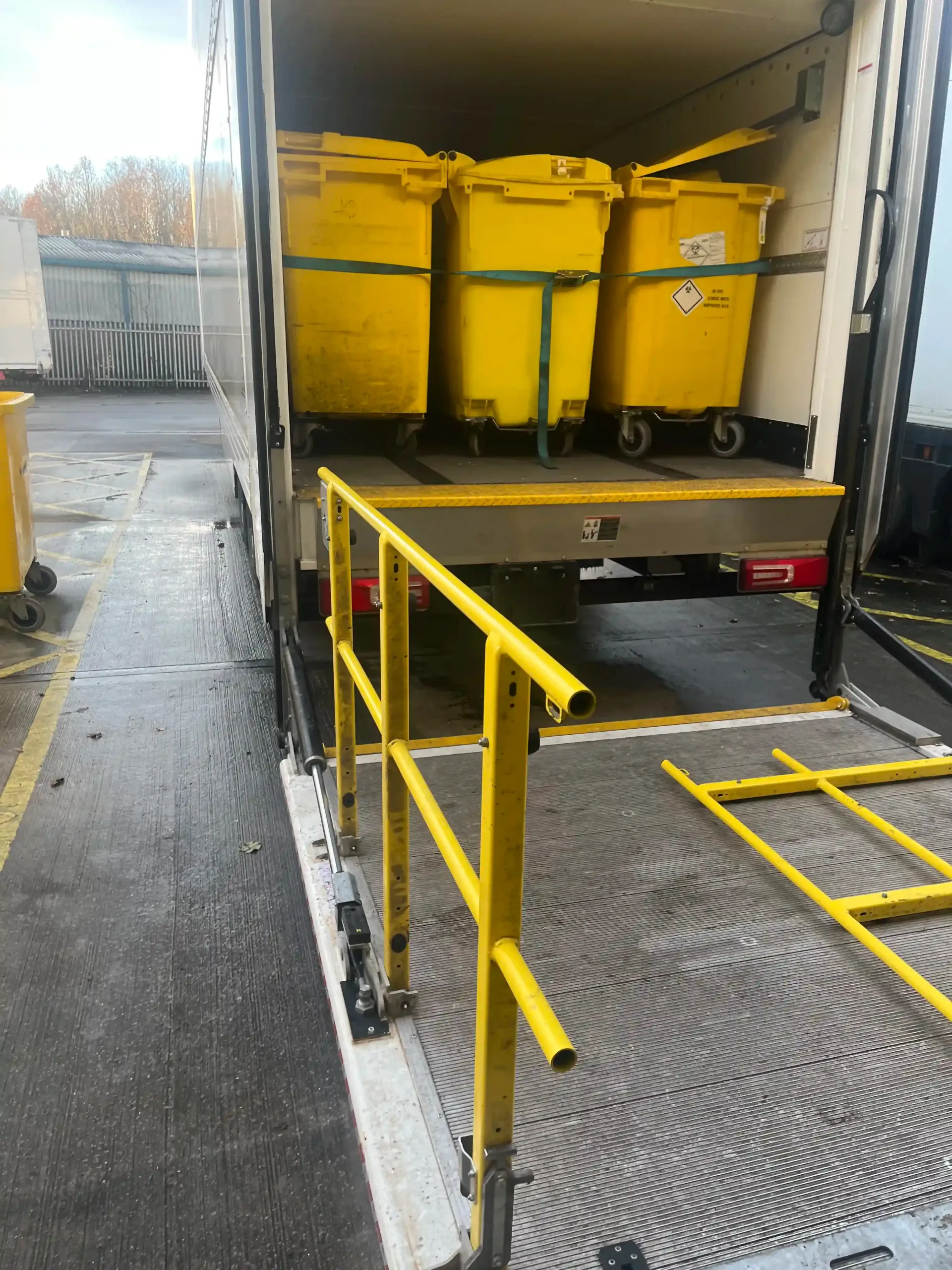
Experienced Tail Lift Engineers
Our team of experienced tail lift engineers has extensive knowledge of commercial lifting equipment used across many different vehicles.
We service tail lift systems manufactured by leading brands including:
- Dhollandia
- DEL
- Zepro
- Palfinger
- Anteo
Our familiarity with these systems allows us to inspect and maintain lifting equipment accurately, ensuring any potential issues are identified before they lead to failures.
Professional servicing carried out by experienced engineers helps maintain safe lifting equipment and reliable vehicle operation.
How Often Should a Tail Lift Be Serviced?
The recommended servicing frequency for tail lifts depends on how often the vehicle is used and the type of loads being handled.
For most commercial vehicles, servicing should be carried out at least once or twice per year. Vehicles that operate daily or carry heavy loads may require more frequent inspections.
Regular servicing helps ensure lifting equipment remains reliable and safe for both drivers and operators.
Businesses that operate fleets often benefit from scheduled servicing plans that allow engineers to inspect multiple vehicles at regular intervals.
Supporting LOLER Compliance
Routine servicing also plays an important role in supporting lifting equipment safety regulations.
The Lifting Operations and Lifting Equipment Regulations (LOLER) require lifting equipment used in workplaces to be maintained and inspected regularly to ensure it remains safe to operate.
While servicing is not the same as a formal LOLER inspection, preventative maintenance helps ensure equipment remains in suitable condition between thorough examinations.
By maintaining lifting equipment correctly, businesses can support compliance with safety regulations and reduce the risk of equipment-related incidents.
This is the text area for this paragraph. To change it, simply click and start typing.
Why Transport Operators Choose DMS Tail Lifts and Plant Ltd
Businesses choose DMS Tail Lifts and Plant Ltd for professional servicing because we focus on safety, reliability and quality workmanship.
Our service is built around:
Experienced tail lift engineers
Detailed inspections and maintenance
Reliable servicing for commercial vehicles
Practical advice on maintaining lifting equipment
Professional and dependable service
Frequently Asked Questions
How often should a tail lift be serviced?
Tail lifts should normally be serviced at least once or twice per year depending on how frequently the vehicle is used. Vehicles that operate daily or carry heavy loads may require more frequent inspections. Regular servicing helps identify hydraulic leaks, worn components or electrical faults before they develop into major breakdowns. During servicing, engineers inspect hydraulic systems, electrical controls and structural components to ensure the lift is operating correctly. Routine maintenance improves reliability and helps ensure lifting equipment remains safe for drivers and operators.
What happens during a tail lift service?
During a tail lift service, engineers inspect key components of the lifting system to ensure the equipment is operating safely and efficiently. Hydraulic pumps, hoses and cylinders are checked for leaks or pressure issues. Electrical systems such as wiring, switches and control boxes are tested to confirm they function correctly. Structural parts including lift platforms and hinges are inspected for damage or wear. Moving parts are lubricated and the lift is tested to confirm smooth operation. This process helps identify potential faults before they lead to equipment failure.
Does servicing help prevent tail lift breakdowns?
Yes, routine servicing plays an important role in preventing unexpected tail lift breakdowns. Many failures occur because small faults go unnoticed until they become serious problems. Servicing allows engineers to identify early signs of wear, hydraulic leaks or electrical issues before they affect the operation of the lift. Preventative maintenance can involve tightening components, repairing wiring or replacing worn hydraulic parts. By addressing these issues early, businesses can reduce downtime, improve equipment reliability and keep commercial vehicles operating safely.
Book a Tail Lift Service
If your vehicle requires routine maintenance or you would like to schedule a tail lift service, our engineers are ready to assist.
Contact DMS Tail Lifts and Plant Ltd today to arrange professional servicing and keep your lifting equipment operating safely.
Fast response for commercial vehicles and fleet operators.