LOLER Inspections for Tail Lifts
LOLER inspections are an essential requirement for businesses that operate lifting equipment as part of their daily operations. Tail lifts used on commercial vehicles must be maintained and examined regularly to ensure they remain safe, reliable and compliant with safety regulations.
At DMS Tail Lifts and Plant Ltd, we provide professional LOLER inspections for tail lifts used on commercial vehicles. Our experienced engineers carry out thorough examinations to assess the condition, safety and functionality of lifting equipment.
What is a LOLER Inspection?
LOLER stands for the Lifting Operations and Lifting Equipment Regulations 1998, which form part of UK health and safety legislation. These regulations apply to lifting equipment used in workplaces, including tail lifts fitted to commercial vehicles.
A LOLER inspection involves a detailed examination of lifting equipment to confirm that it is safe to operate and suitable for its intended use. During the inspection, a competent engineer checks key components of the lifting system and identifies any faults or defects that could affect safety.
These inspections are designed to ensure lifting equipment remains in safe working condition and continues to operate correctly within workplace environments.
Why LOLER Inspections Are Important
Tail lifts are frequently used to load and unload heavy goods from commercial vehicles. Because these systems handle significant weight, they must be maintained and inspected regularly to ensure safe operation.
LOLER inspections play an important role in protecting both workers and equipment.
Benefits of regular LOLER inspections include:
Ensuring lifting equipment remains safe to operate
Identifying potential faults before failures occur
Maintaining compliance with health and safety regulations.
Reducing the risk of accidents involving lifting equipment
Improving reliability of commercial vehicle tail lifts
By carrying out regular inspections, businesses can demonstrate that lifting equipment is maintained in accordance with legal safety requirements.
How Often
Should Tail Lifts Have LOLER Inspections?
Under LOLER regulations, lifting equipment used for lifting goods must undergo thorough examinations at regular intervals.
For most commercial tail lifts, inspections are typically required at least every 12 months. However, depending on how frequently the equipment is used or the conditions in which it operates, more frequent inspections may be recommended.
Businesses that operate fleets or regularly transport heavy loads may benefit from additional inspections to ensure equipment remains safe and reliable.
Regular
servicing and maintenance between inspections also helps ensure tail lifts remain in suitable condition.
What Happens During a LOLER Inspection?
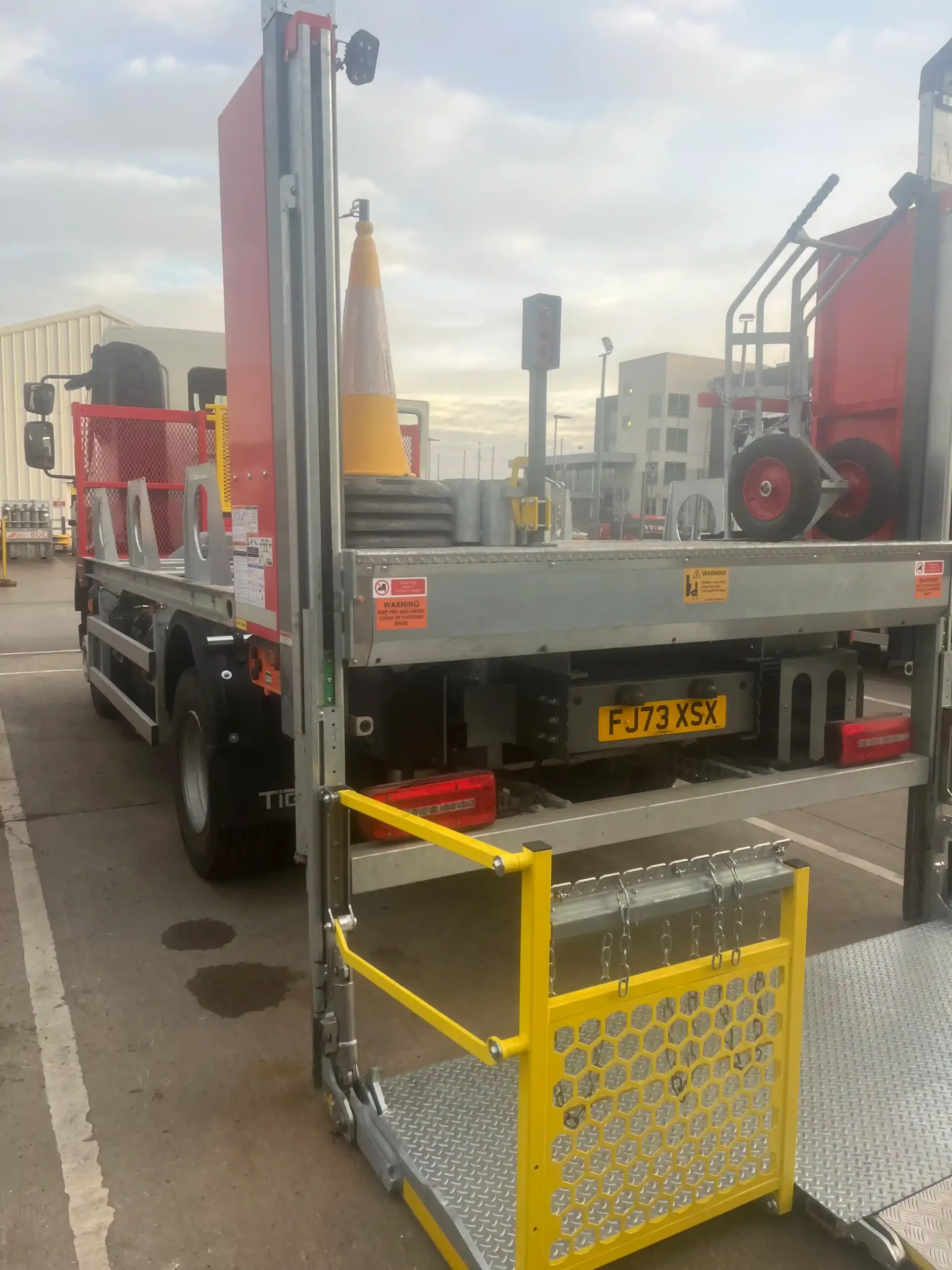
During a LOLER inspection, a qualified engineer conducts a detailed examination of the lifting equipment to ensure it meets safety standards.
A typical inspection may include:
Hydraulic system checks
Hydraulic pumps, hoses and cylinders are examined to ensure they operate correctly and show no signs of leaks or pressure loss.
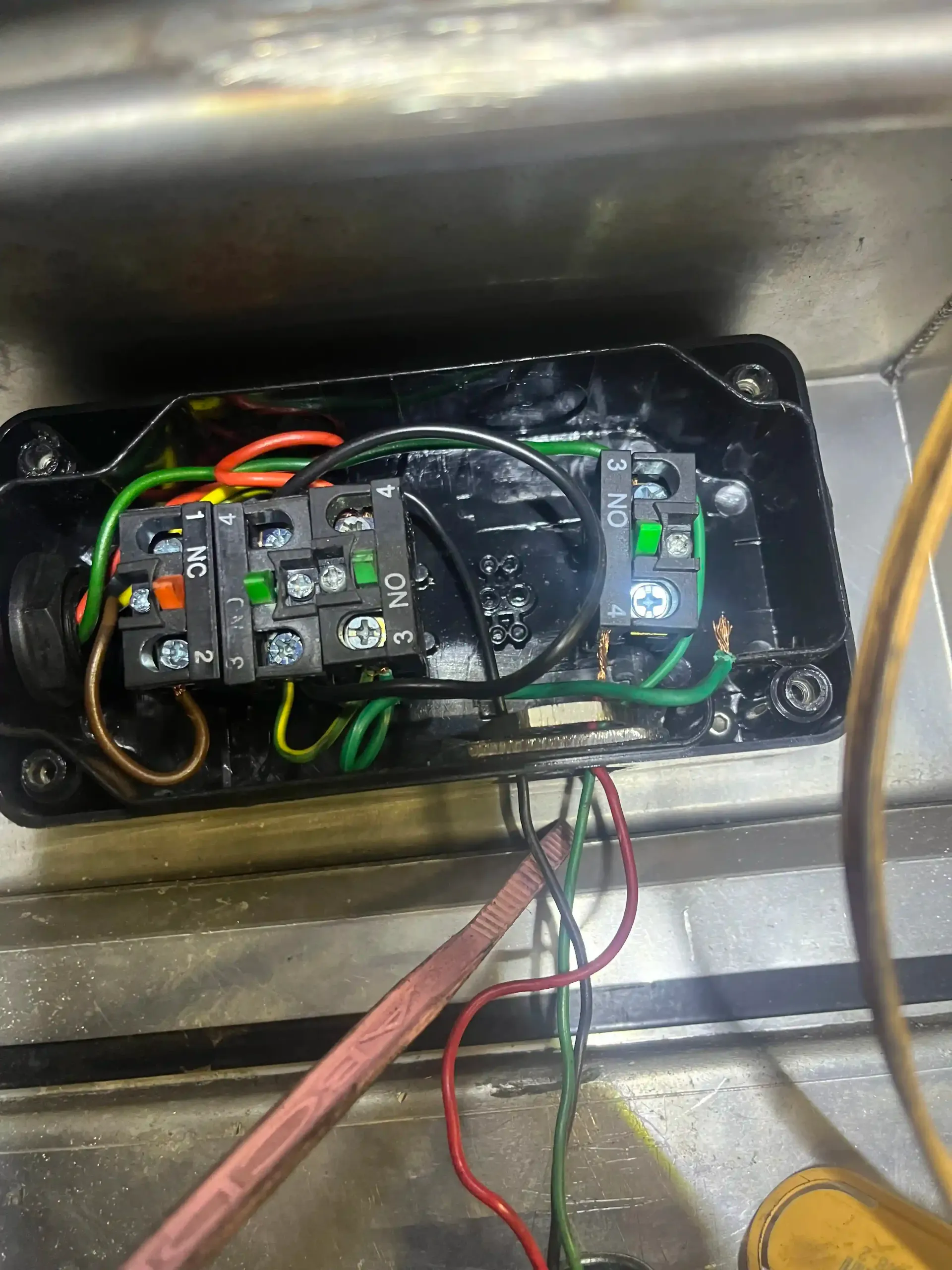
Electrical system testing
Electrical controls, switches and wiring are inspected to confirm the system operates safely and reliably.
Structural inspection
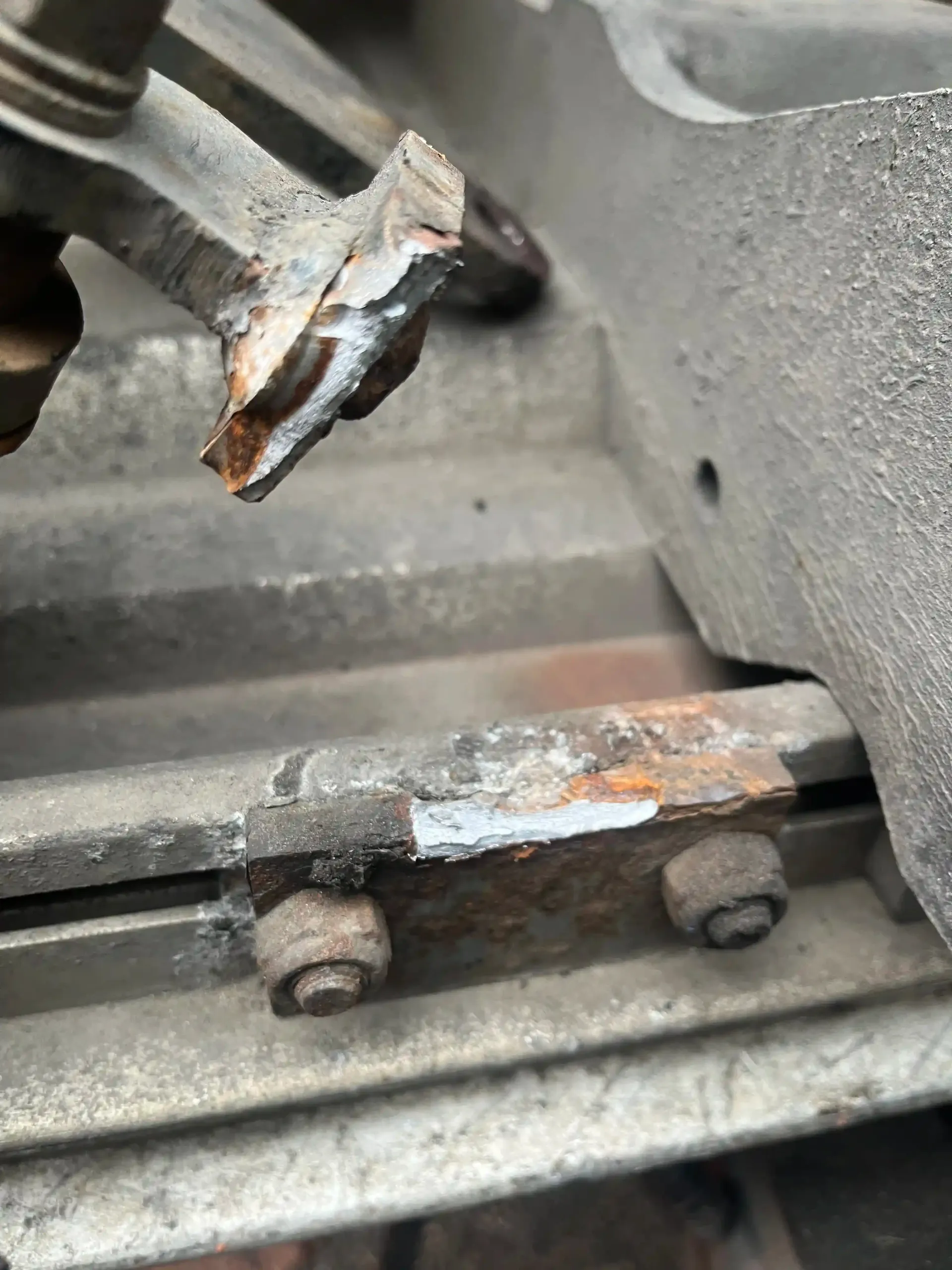
The lift platform, hinges and mounting points are checked for damage, corrosion or excessive wear.
Operational testing
The tail lift is tested under normal operating conditions to ensure smooth lifting and lowering movements.
Safety mechanism verification
Safety devices and locking mechanisms are inspected to confirm they function correctly.
This detailed examination helps identify faults that could affect the safe operation of lifting equipment.
LOLER Certification and Documentation
Following a successful LOLER inspection, a report is issued confirming that the lifting equipment has been examined and meets the required safety standards.
If any faults or defects are identified, the report will outline the necessary repairs or maintenance required to restore the equipment to safe working condition.
Proper documentation is important for demonstrating compliance with workplace safety regulations and may be required during safety audits or inspections.
Maintaining accurate records of inspections helps businesses show that lifting equipment is being maintained responsibly and in accordance with safety legislation.
LOLER Inspections for Commercial Vehicle Fleets
Businesses operating multiple vehicles often rely heavily on tail lifts to support daily operations. Fleet vehicles may use lifting equipment frequently throughout the day, which increases the importance of regular inspections.
DMS Tail Lifts and Plant Ltd provides LOLER inspections for commercial fleets, helping businesses maintain safe lifting equipment across multiple vehicles.
Our fleet inspection services help businesses:
- Maintain compliance with safety regulations
- Ensure lifting equipment remains reliable
- Identify faults before equipment fails
- Maintain safe working environments for drivers and operators
By working with experienced engineers, fleet operators can ensure lifting equipment is inspected thoroughly and maintained correctly.
Experienced Tail Lift Engineers
Our engineers have extensive experience working with tail lifts and lifting equipment used on commercial vehicles.
We carry out LOLER inspections for equipment manufactured by leading brands including:
- Dhollandia
- DEL
- Zepro
- Palfinger
- Anteo
Our familiarity with these systems allows us to inspect equipment thoroughly and identify potential safety issues before they become serious problems.
Professional inspections carried out by experienced engineers help ensure lifting equipment remains safe and compliant with regulations.
Maintaining Safe Lifting Equipment
LOLER inspections are an important part of maintaining safe lifting equipment, but they should be supported by regular servicing and maintenance.
Routine maintenance helps keep tail lifts operating reliably between inspections and reduces the risk of faults developing.
Regular maintenance may include:
- Hydraulic system servicing
- Inspection of electrical systems
- Structural checks
- Lubrication
of moving components
Combining regular servicing with scheduled LOLER inspections ensures lifting equipment remains safe, reliable and compliant.
Why Choose DMS Tail Lifts and Plant Ltd for LOLER Inspections
Businesses choose DMS Tail Lifts and Plant Ltd because we provide thorough inspections carried out by experienced engineers who understand commercial lifting equipment.
Our service focuses on:
Detailed inspection of lifting equipment
Experienced tail lift engineers
Clear inspection reports and documentation
Practical advice on maintenance and safety
Professional and reliable service
Frequently Asked Questions
What does LOLER stand for?
LOLER stands for the Lifting Operations and Lifting Equipment Regulations 1998. These regulations were introduced in the United Kingdom to ensure that lifting equipment used in workplaces is safe to operate and properly maintained. The regulations apply to a wide range of lifting equipment, including tail lifts fitted to commercial vehicles. LOLER requires lifting equipment to be installed correctly, used safely and examined regularly by a competent person. The purpose of these regulations is to reduce the risk of accidents and ensure lifting equipment continues to operate safely in workplace environments.
Do tail lifts need LOLER inspections?
Yes, tail lifts used on commercial vehicles normally require LOLER inspections. Because tail lifts are used to lift goods during work activities, they are classified as lifting equipment under the Lifting Operations and Lifting Equipment Regulations. This means they must undergo regular thorough examinations by a qualified engineer to ensure they remain safe to operate. These inspections assess the structural condition, hydraulic systems and safety mechanisms of the equipment. Regular LOLER inspections help ensure lifting equipment remains compliant with safety regulations and reduces the risk of equipment failure.
How often are LOLER inspections required?
In most cases, tail lifts used to lift goods must undergo a LOLER inspection at least once every 12 months. However, depending on how frequently the equipment is used and the conditions in which it operates, more frequent inspections may be recommended. Equipment that is used heavily or exposed to demanding conditions may require additional inspections to ensure safety standards are maintained. Regular servicing and maintenance between inspections can also help ensure lifting equipment continues to operate reliably and safely.
Book a LOLER Inspection
If your commercial vehicle requires a LOLER inspection, our experienced engineers are ready to assist.
Contact DMS Tail Lifts and Plant Ltd today to arrange a professional inspection and ensure your lifting equipment remains safe and compliant.
Fast response for commercial vehicles and fleet operators.