Tail Lift Repairs for Commercial Vehicles
Reliable tail lift repairs are essential for keeping commercial vehicles operational and safe. At DMS Tail Lifts, our experienced tail lift engineers provide professional diagnostics, repairs and maintenance for a wide range of commercial tail lift systems.
Whether you operate a single van or manage a fleet of vehicles, our engineers deliver fast and dependable tail lift repair services designed to minimise downtime and keep your business moving.
Professional Tail Lift Repair Services
Tail lifts are an essential part of many commercial vehicles. When they stop working properly, it can cause delays, disruption to deliveries and potential safety risks.
Our tail lift repair service focuses on identifying faults quickly and restoring your lifting equipment to full working condition. Our experienced tail lift engineers carry out detailed diagnostics to determine the cause of the issue and provide effective repair solutions.
We regularly carry out commercial tail lift repairs for:
Delivery vans
HGVs and lorries
Fleet vehicles
Commercial transport vehicles
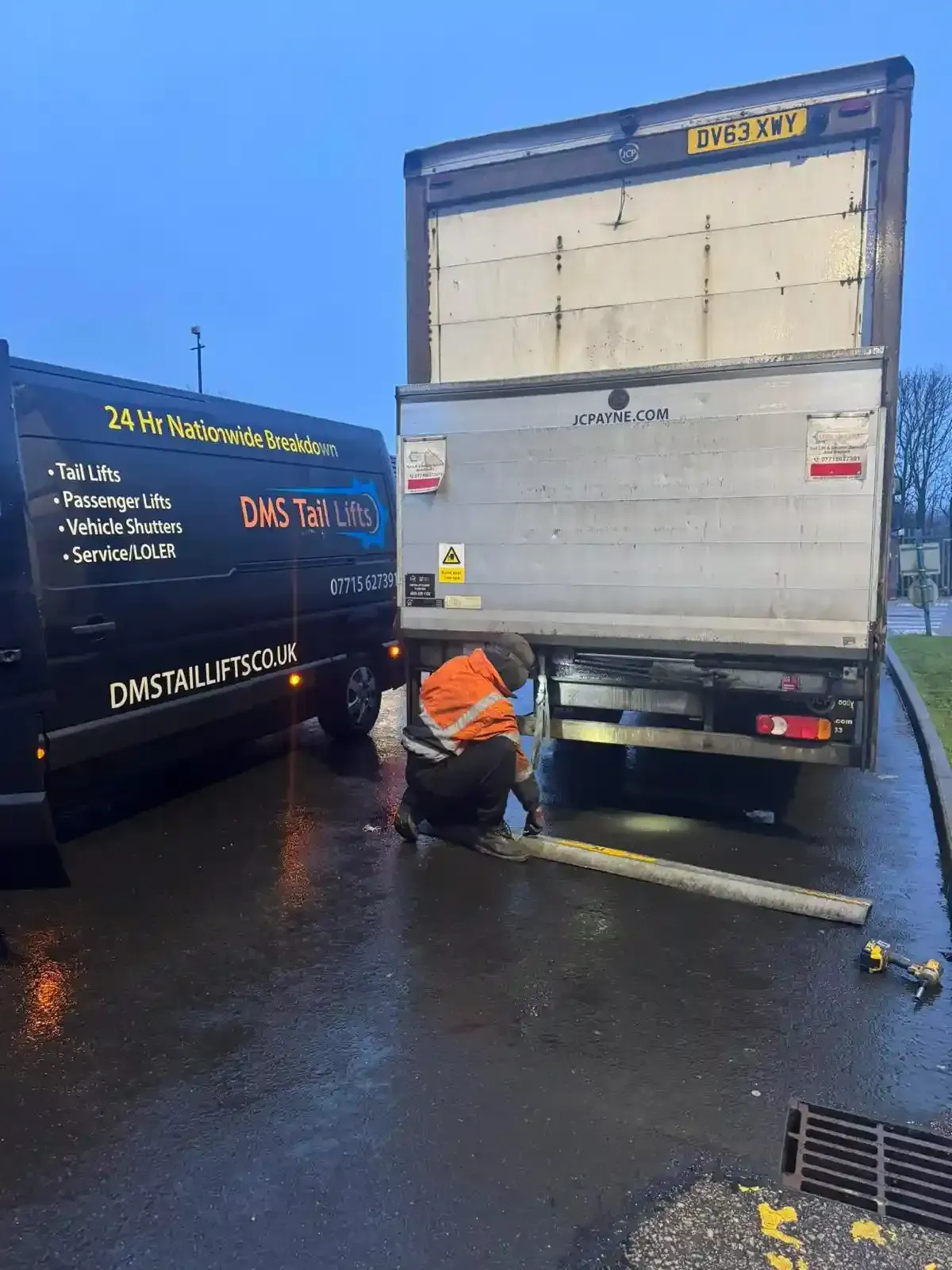
Our engineers understand the importance of reliable lifting equipment and always aim to complete repairs efficiently while maintaining the highest standards of safety and workmanship.
Common Tail Lift Problems We Repair
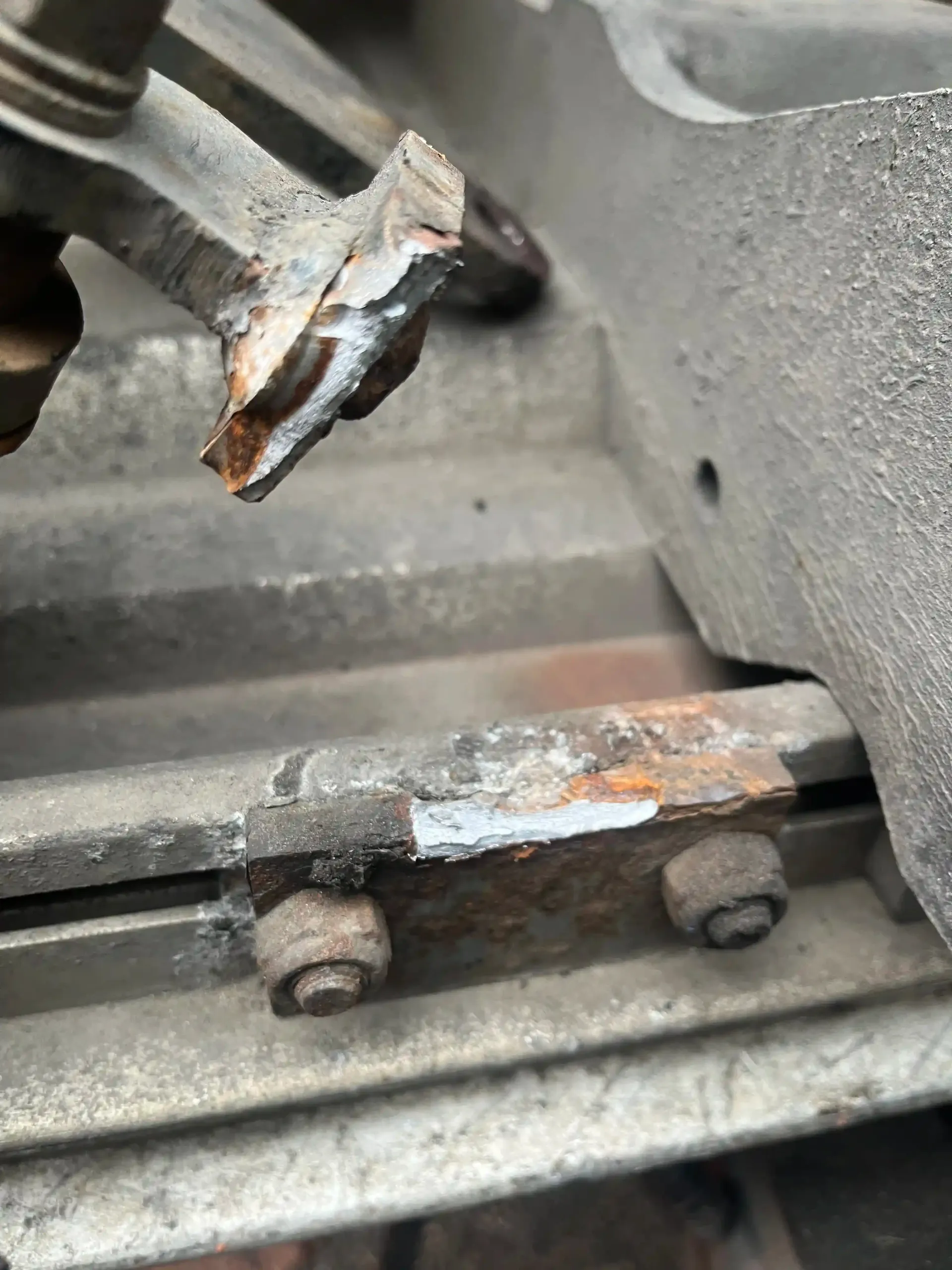
Tail lifts contain a combination of hydraulic, electrical and mechanical components. Because of this, faults can develop in several areas of the system.
Our engineers regularly diagnose and repair issues including:
Tail lift not lifting or lowering
Hydraulic pump failure or pressure loss
Hydraulic oil leaks in tail lift systems
Electrical control faults or control box issues
Damaged tail lift wiring or switches
Tail lift motor or power supply failure
Mechanical damage to lift platforms or hinges
If your tail lift is not functioning correctly, our engineers can quickly identify the fault and carry out the necessary repairs to restore safe operation.
Prompt repairs help prevent further damage to lifting equipment and reduce unnecessary vehicle downtime.
Experienced Tail Lift Engineers
At DMS Tail Lifts, our engineers have extensive hands-on experience working with commercial lifting equipment.
Our knowledge of tail lift systems allows us to diagnose faults accurately and deliver reliable repair solutions that keep vehicles operating safely.
We provide repairs for a wide range of tail lift systems, including equipment from leading manufacturers such as:
- Dhollandia
- DEL
- Zepro
- Palfinger
- Anteo



Our experience across multiple manufacturers allows us to work confidently on different tail lift models used across commercial vehicles and fleet operations.
Mobile Tail Lift Repair Services
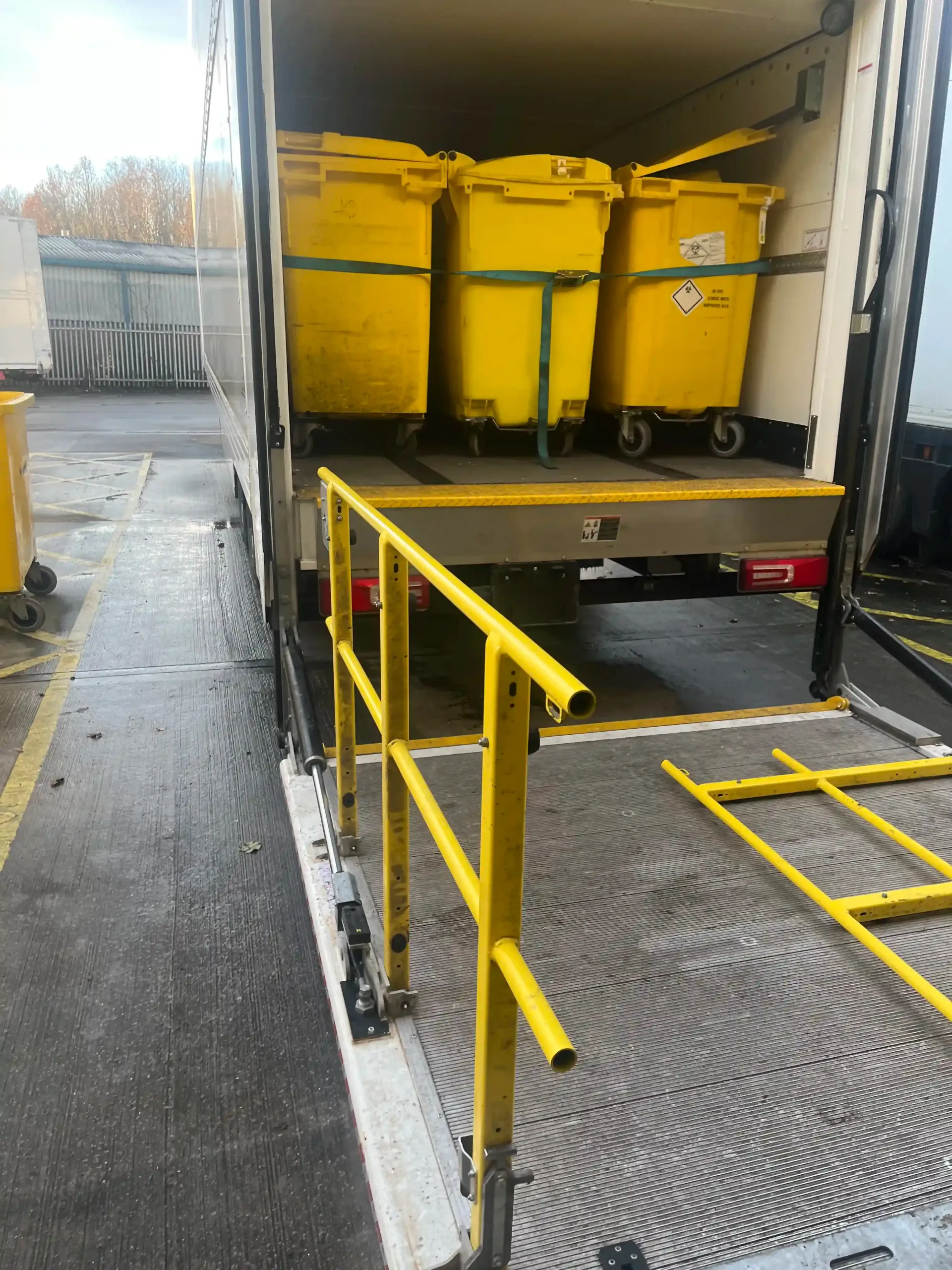
When a tail lift fails, it can leave a vehicle unable to operate effectively. Our mobile tail lift repair service allows our engineers to attend your location and carry out repairs on site whenever possible.
By providing on-site support, we help businesses reduce downtime and avoid unnecessary delays.
Our mobile repair services include:
- On-site diagnostics
- Fault identification
- Hydraulic and electrical repairs
- Replacement of damaged components where required
This service allows our engineers to restore tail lift functionality quickly so vehicles can return to operation as soon as possible.
Our Tail Lift Repair Process
When a tail lift fault occurs, our engineers follow a structured diagnostic process to identify the problem and carry out the correct repair. This process ensures each repair is completed correctly and safely.
Our repair process typically includes:
Initial inspection
We begin by assessing the lift system, including hydraulic components, electrical controls and mechanical structures to identify visible faults.
System diagnostics
Our engineers test hydraulic pressure, electrical connections and operational controls to determine the root cause of the problem.
Repair or replacement
Once the fault has been identified, the necessary repair is carried out. This may involve replacing hydraulic components, repairing electrical systems or fixing structural damage.
Operational testing
After repairs are completed, the tail lift is tested thoroughly to ensure the system operates safely and reliably.
Safety verification
We confirm that the equipment is functioning correctly and advise if further maintenance or inspections may be required
Tail Lift Repairs for Fleet Operators
Businesses that operate fleets of commercial vehicles rely on tail lifts to maintain efficient deliveries and logistics operations.
DMS Tail Lifts and Plant Ltd supports fleet operators by providing reliable repair services that help keep vehicles operating safely and efficiently.
Our engineers work with fleet vehicles to provide:
- Fast fault diagnosis
- Reliable tail lift repairs
- Preventative maintenance advice
- Support with lifting equipment safety
Maintaining lifting equipment in safe working condition helps reduce breakdowns, improves vehicle reliability and supports compliance with safety regulations.
Preventative Maintenance and Servicing
In many cases, unexpected tail lift failures can be prevented through regular servicing and maintenance.
Routine inspections allow engineers to identify worn components, hydraulic leaks or electrical faults before they lead to major breakdowns.
Preventative servicing typically includes:
- Hydraulic system inspections
- Electrical component checks
- Inspection of structural parts
- Lubrication of moving components
Regular servicing helps ensure tail lifts remain reliable, safe and compliant with lifting equipment safety requirements.
This is the text area for this paragraph. To change it, simply click and start typing.
Why Transport Operators Choose DMS Tail Lifts
Businesses trust DMS Tail Lifts because we provide dependable repair services carried out by experienced engineers. Our goal is always to provide a professional service that keeps lifting equipment operating safely and reliably.
Our approach focuses on:
Experienced tail lift engineers
Fast fault diagnosis
Reliable repair solutions
Competitive pricing
Attention to safety and quality
Frequently Asked Questions
What causes a tail lift to stop working?
A tail lift may stop working for several reasons, including hydraulic faults, electrical problems or mechanical damage. Common causes include low hydraulic oil levels, worn hydraulic pumps, damaged wiring, faulty control switches or mechanical wear within the lift structure. Because tail lifts rely on both hydraulic pressure and electrical systems, a fault in either area can prevent the lift from operating correctly. In many cases, professional diagnostics are required to identify the exact cause of the issue. A qualified tail lift engineer can inspect the system, test hydraulic and electrical components and carry out the necessary repairs to restore safe operation.
How often should a tail lift be serviced?
Tail lifts should generally be serviced at least once or twice each year depending on how frequently the vehicle is used. Commercial vehicles that carry heavy loads or operate daily may require more regular inspections to ensure the lift system remains reliable and safe. Routine servicing includes checking hydraulic systems, electrical controls, structural components and safety features. Regular maintenance allows engineers to identify worn parts or minor faults before they develop into more serious problems. By servicing tail lifts regularly, businesses can improve reliability, reduce unexpected breakdowns and ensure lifting equipment continues to operate safely.
Do tail lifts require LOLER inspections?
Yes, tail lifts used for lifting goods during commercial operations are normally subject to LOLER inspections. The Lifting Operations and Lifting Equipment Regulations 1998 require lifting equipment used in workplaces to undergo regular thorough examinations to ensure it remains safe to use. During a LOLER inspection, a qualified engineer checks the condition of the lifting equipment, including structural components, hydraulic systems, safety devices and operational performance. These inspections help ensure the equipment complies with safety standards and reduces the risk of accidents involving lifting equipment.
Contact Our Tail Lift Engineers
If your tail lift is not operating correctly, our experienced engineers are ready to help.
Contact DMS Tail Lifts today to arrange a tail lift repair or discuss your requirements with our team.
Fast response for commercial vehicles and fleet operators.